

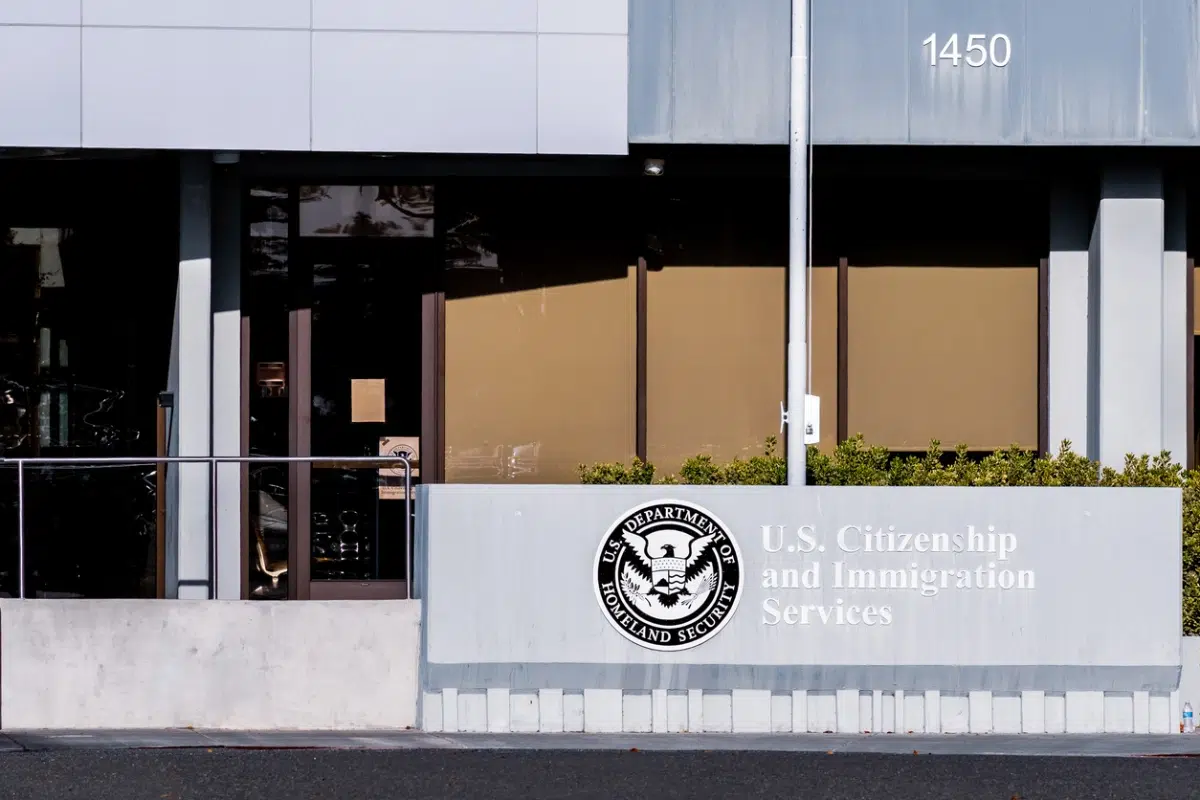


Unannounced visits from U.S. Citizenship and Immigration Services (USCIS) can be unsettling, but with proper preparation, employers can respond with confidence. Through its Fraud Detection and National Security (FDNS) Directorate, USCIS conducts Administrative Site Visits (ASVs) to verify the accuracy of information submitted in employment-based immigration petitions and to ensure ongoing compliance with immigration regulations.
Here’s what employers should know and how to prepare.
What Is an FDNS Administrative Site Visit?
FDNS was created to detect and prevent immigration benefit fraud. As part of that mission, it operates the Administrative Site Visit and Verification Program (ASVVP), under which USCIS conducts both random and targeted site visits.
These visits are most common for H-1B petitions, but they can occur for any employment-based nonimmigrant category, including R-1 religious workers and others. Importantly, visits are typically unannounced and may occur at a company’s headquarters, a human resources office, a third-party client site, or a remote or home worksite listed on the LCA.
What Happens During a Site Visit?
Most site visits last 15 to 60 minutes. An FDNS officer or agent will generally seek to:
- Verify the existence and operations of the employer
- Confirm the H-1B employee’s job title, duties, work location, and salary
- Ensure consistency between the petition, the Labor Condition Application (LCA), and actual employment conditions
Officers often request to speak with the authorized signatory on Form I-129 or a knowledgeable HR or management representative. They may also request documents such as payroll records, tax filings, or wage reports, and may tour the worksite and take photographs. According to USCIS, a warrant is not necessary to access confidential areas because of the consent provisions in Form I-129, and this approach has not been formally challenged to date.
Interviews With the Sponsored Employee
FDNS officers commonly interview the foreign national employee directly, often without the employer present. Questions may cover:
- Job duties and supervision
- Work location(s)
- Salary and hours
- Education and prior experience
- Project or client assignments
Officers may also speak with coworkers to confirm consistency.
Example of the Line of Questioning from Officers
An FDNS officer may ask:
- Employer (Petitioner) information
- Employee (Beneficiary) information
- When did the H-1B employee begin working with the sponsoring organization?
- Where exactly is the H-1B employee working (geographic location and full address)?
- What client (if any) is the employee assigned to?
- What is the H-1B employee’s duty title and general role or responsibility on the job
- For the assigned client(s), provide contact information and start date.
- If employee is placed through a subcontractor, then:
- How is the employee supervised: on-site or off-site?
- If off-site, how is that supervision maintained?
- Who controls the employee’s day to day work?
Best Practices During a Site Visit
Preparation and calm responses are key. Employers, including employers’ front-line staff, should:
- Verify the officer’s full name and title as well as obtain their contact information
- Ensure a witness is present during all conversations
- Contact immigration counsel immediately
- Take detailed notes about questions asked and answers given
- Avoid guessing—offer to follow up if information is unclear
- Keep responses truthful, concise, and limited to what is asked
Designating and training a specific company representative to handle site visits is strongly recommended. Front-line staff like receptionists or front desk should also be trained to know how to respond calmly and know who to notify.
Preparing in Advance: Compliance Is Your Best Defense
Although only a small percentage of employers are selected for site visits, preparation is essential. Employers should:
- Maintain organized, up-to-date copies of all immigration petitions and LCAs
- Ensure job duties, work locations, and wages match what was filed
- Train front-line staff to direct officers to the designated company representative
- Inform third-party clients when H-1B employees are placed at their sites
Related Enforcement Areas to Watch
FDNS site visits often overlap with other enforcement efforts, including:
Form I-9 Compliance
Employers must retain original, signed Form I-9s for all employees. Documents must be properly kept for three years from the date of hire or for one year after termination of the employee’s employment, whichever is later. Regular internal audits can help identify and correct issues before an inspection occurs.
Wage and Hour Audits
The Department of Labor may audit whether H-1B workers are paid in accordance with the LCA and working at approved locations. Material changes may require a new LCA or amended petition.
Final Thoughts
USCIS Administrative Site Visits are a reality of today’s immigration enforcement environment. While the likelihood of a visit may be low, the consequences of poor preparation can be significant. By proactively ensuring compliance, training staff, and having a response plan in place, employers can significantly reduce risk and navigate site visits with confidence.
If your organization sponsors foreign national employees, now is the time to review your processes and be prepared—before an officer shows up at the door.
Disclaimer
The information on this website is for general information purposes only and does not constitute solicitation or provision of legal advice. Viewing information on this website and/or contacting Naya Law Group, PC does not establish an attorney-client relationship. This blog should not be used as a substitute for obtaining legal advice for any individual case or situation from an attorney licensed or authorized to practice in your jurisdiction.