

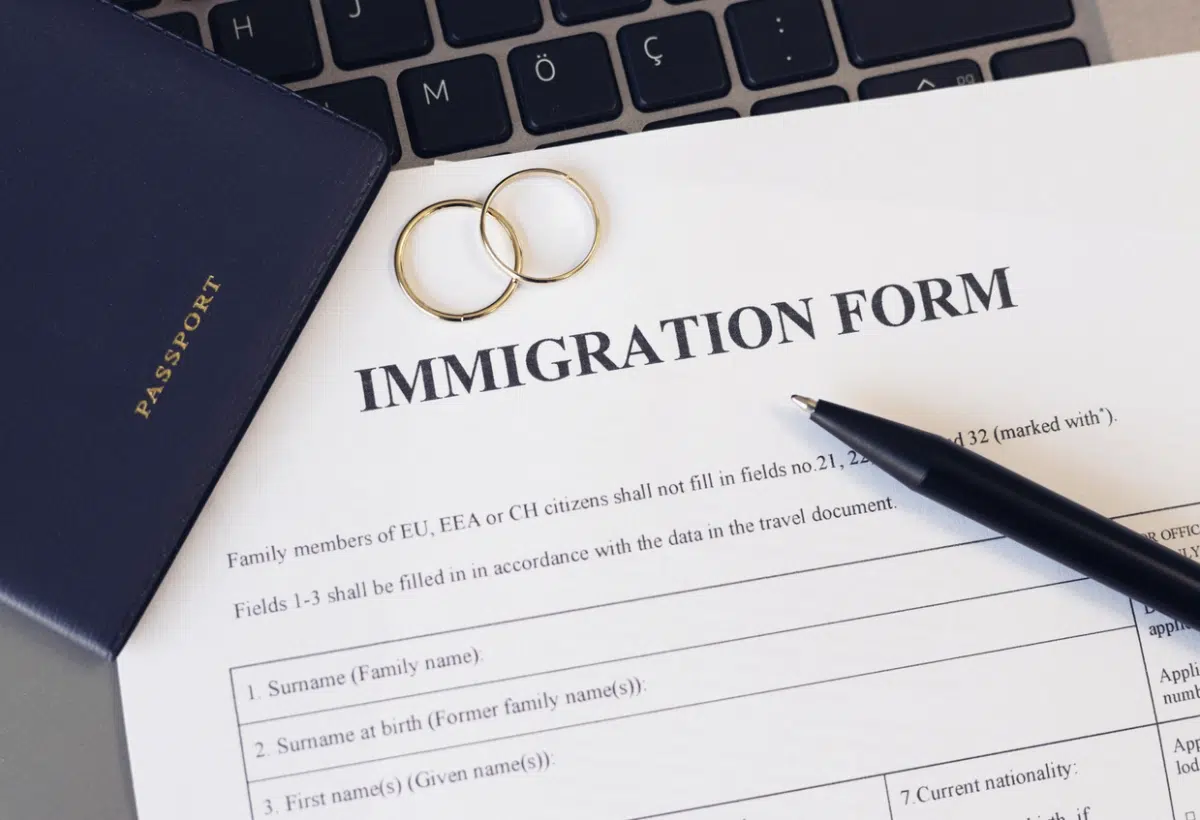


Building a life together in the U.S. is exciting, and the green card process feels like the gate you need to pass. The system can move smoothly, though small mistakes or mismatched details can slow things down. At Naya Immigration, we focus on U.S. immigration work for families and employers, and our roots go back to 1978 in the Bay Area.
This article shows where delays usually happen in marriage-based green card cases and what you can do to prevent them. We will talk about timelines, evidence, interviews, and steps that keep your case on track. If you want a calm, predictable process, a few smart habits make a big difference.
Understanding Why Marriage-Based Green Cards Get Delayed
Timelines in the marriage-based green card process vary based on how and where a case is filed. A spouse applying inside the United States through adjustment of status with Forms I-130 and I-485 often sees different processing times than an immigrant spouse applying from abroad through consular processing. Factors such as work history, travel records, name checks, and country of birth can all influence how quickly a case moves through the immigration process.
Citizenship and Immigration Services (USCIS) also takes a close look at whether the marriage is genuine. USCIS officers review how the couple met, how they manage daily life, and whether personal statements align with supporting documents. When evidence of a bona fide marriage is weak or poorly organized, officers may slow the case to request more information or conduct additional review.
Paperwork issues remain one of the most common reasons why delays happen. Missing signatures, outdated forms, or skipped pages can result in rejected filings or Requests for Evidence. Each stage of the green card application, including petition review, biometrics, background checks, and the green card interview, has its own requirements and timing risks.
Careful preparation and experienced legal guidance can make all the difference. A green card attorney helps double-check forms, strengthen supporting documentation, and resolve small issues before they significantly impact the case. Addressing potential problems early often reduces processing delays and keeps the case moving forward.
Next, we will look at eligibility issues that commonly slow approval and how to address them before filing.
Common Eligibility-Related Issues That Cause Processing Setbacks
When USCIS officers have doubts about whether a marriage is real, they may issue a Request for Evidence asking for additional proof such as wedding photos, joint bank accounts, or affidavits from friends and family. If questions remain, the case may be scheduled for a second green card interview or, in rare situations, a site visit. Clear proof of a shared life and a bona fide marriage often resolves these concerns.
A history of immigration violations or a criminal history can also slow the green card process. Prior unlawful presence, removal proceedings, or certain arrests may require waivers and extended background checks. Identifying these issues early allows green card applicants to prepare the right filings and avoid surprises later in the application process.
Medical findings sometimes add time as well. If the required medical exam reveals a Class A condition or missing required vaccinations, USCIS may pause the case while additional documentation or a waiver is submitted. Ensuring the civil surgeon’s report is complete, current, and accurate helps prevent unnecessary processing delays.
Consistency across documents is critical. Officers compare joint leases, bank statements, tax returns, birth certificates, marriage certificates, insurance records, travel records, and photos for accuracy. Even small differences in names, dates, or addresses can raise red flags. When discrepancies exist, a short explanation with supporting documentation can prevent further review.
Working with an experienced immigration attorney helps identify weak evidence, waiver needs, and timing risks before filing. Addressing these eligibility concerns upfront often reduces RFEs, avoids lengthy delays, and makes the overall immigration journey less stressful.
Once eligibility is clear, the next step is making sure the paperwork is accurate, complete, and easy for USCIS to review.
Filing and Documentation Mistakes That Lead to Delays
Citizenship and Immigration Services returns a surprising number of marriage-based green card applications for errors that are easy to fix. Common mistakes include missing signatures, incorrect filing fees, outdated form editions, and typos that do not match passports or prior visas. Even small mistakes, like a skipped checkbox, can stall the green card application for weeks.
Financial documentation is another frequent source of processing delays. The I-864 Affidavit of Support must meet financial requirements, include accurate tax transcripts or W-2s, and confirm the sponsor’s lawful status. When income falls short, a joint sponsor may be required, and their supporting documents must be complete and consistent to avoid extra review.
Relationship evidence should be clear, organized, and easy for USCIS officers to follow. Arranging supporting documentation by category and date, with a brief index, helps reviewers move through the file efficiently. While wedding photos matter, ongoing proof such as utility bills, joint leases, and shared accounts often carries more weight in showing a shared life.
Medical and vaccination gaps commonly slow cases as well. If the I-693 medical exam expires or is missing required vaccinations, USCIS may pause the application until a new report is submitted. Verifying current medical rules and tracking expiration dates helps avoid unnecessary processing delays.
Professional guidance can significantly impact how smoothly a case moves forward. An immigration attorney assists with the entire application from preparing necessary forms, compiling supporting documents, and flagging or addressing any issues before filing. A clean, consistent packet is easier to review and less likely to trigger follow-up requests, saving time and stress.
Marriage Green Card Stages and Typical Delay Triggers
| Stage | What USCIS Reviews | Common Delay Triggers | What Helps |
| I-130 Petition | Marriage validity, identity, status | Weak evidence, inconsistent dates | Relationship timeline, clear joint records |
| I-485 or Consular Filing | Eligibility, admissibility | Missing forms, outdated editions, wrong fees | Current forms, fee check, name consistency |
| I-864 Affidavit | Income, domicile, tax history | Insufficient income, missing tax proof | IRS transcripts, joint sponsor if needed |
| I-693 Medical | Vaccines, health findings | Expired exam, incomplete vaccine record | Timely exam, verified vaccine list |
| Biometrics | Fingerprints, photo | Missed appointments, rescheduling | Calendar alerts, prompt rescheduling |
| Background Checks | FBI, DHS databases | Name matches, travel questions | Consistent data, prior visa records |
| Interview | Credibility, relationship details | Inconsistent answers, missing originals | Preparation, originals, updated records |
| Post-Interview | Final review | RFE or hold for more evidence | Fast, organized response |
With the filing stage mapped out, the next step is understanding how interviews and security checks can extend processing times.
Interview and Security-Check Factors That Slow Down Approval
As part of the immigration process, USCIS conducts fingerprinting, name checks, and security screenings across multiple databases. If an applicant’s name closely matches another record, background checks may require additional manual review. Extensive international travel, prior visas, or long work histories can also add extra layers of verification and extend wait time.
Inconsistencies between the green card application and interview answers often lead to follow-up questions. During the green card interview, USCIS officers compare responses against forms, bank statements, leases, photos, and other supporting documents. Minor differences are common, but inconsistent answers on key facts can raise red flags and result in requests for more evidence.
Scheduling challenges are another common source of delays. Interview backlogs can push appointments out for months, and rescheduling usually moves a case further down the line. Arriving without original documents or recent relationship proof may lead to an RFE after the interview, which extends the approval timeline. Careful preparation helps avoid these setbacks.
Here is a simple interview preparation routine that helps your case present clearly:
- Review your forms and relationship timeline together, and note any harmless differences with a short written explanation.
- Bring originals of civil records, financial documents, and updated proof of your shared life from recent months.
- Practice straightforward answers in your own words, keeping dates, addresses, and key details consistent with what is on file.
With the interview stage covered, the next focus is day-to-day case management, which often plays a major role in how quickly a decision is reached.
Staying on Top of Your Case to Prevent Delays
Using your USCIS online account and the Case Status tool helps you monitor movement in your green card process. Reviewing posted processing times gives context for normal wait periods, and if your case moves far beyond those ranges, you may submit a service request. Signing up for text and email alerts ensures you see updates as soon as they appear.
Responding to Requests for Evidence or Notices of Intent to Deny early, rather than at the deadline, can significantly impact how quickly your case moves forward. A clear, organized response with an index and labeled sections helps USCIS officers locate answers efficiently. When documents are in a foreign language, including the required translation certification from the start, prevents further delays.
Keeping your contact information current is critical. Update your address promptly with Citizenship and Immigration Services using Form AR-11, and notify USPS or set mail forwarding if you move. Missed notices often lead to missed biometrics or interview appointments, which can cause avoidable processing delays.
Maintaining a simple record system also makes a difference. Keep copies of every filing, tracking numbers, medical exam expiration dates, and all USCIS notices in one place. Having this information ready allows you to resolve issues quickly if questions arise.
Working with an immigration attorney adds structured follow-up, deadline tracking, and planning across each stage of the marriage-based green card application. When something changes, issues are addressed early instead of weeks later, which helps keep the process steady and predictable.
With case monitoring covered, the final step is adopting practical habits that help avoid preventable setbacks from start to finish.
Strategies to Avoid Preventable Setbacks and Keep Your Case Moving
Using a short checklist before filing can help avoid delays in the marriage-based green card process. Confirm that you are using current form editions, submitting the correct fees, and including all required signatures. Take time to double-check that names, dates, and addresses match across passports, birth certificates, marriage records, and prior visas. One careful review often catches even small mistakes that can slow approval.
Relationship evidence works best when it shows an ongoing, shared life. Instead of relying only on photos, organize proof in layers. This can include joint bank accounts, leases, insurance policies, travel tickets, and key life events, supported by a short timeline. Clear, relevant supporting documents carry more weight than large volumes of unorganized material.
Address eligibility concerns early in the application process. If income does not meet financial requirements, securing a joint sponsor ahead of time helps prevent last-minute requests. When a waiver may be required due to past immigration issues, gathering records and personal statements in advance allows the case to move forward more smoothly when reviewed.
Understanding common delay triggers also helps with planning. Name matches during background checks, missing pages from the I-693 medical exam, or weak I-864 evidence come up frequently. When these issues are resolved before filing, USCIS officers can review the case more efficiently.
As next steps, prepare your interview folder, update recent joint records, and keep original documents accessible. Set reminders for biometrics appointments, interview dates, and any RFE response window. If you would like guidance, we can create a focused plan and help keep your immigration journey moving forward without unnecessary stress.
Let Naya Immigration Help You Build Your Future
Naya Immigration has supported family and employment cases across the Bay Area and nationwide. We care about clarity, steady progress, and real outcomes for couples building a life here. If you have questions about timing, waivers, or interviews, we are here to help.
Feel free to call us at 650-499-5187 or reach out through our Contact Us page for a confidential consultation. We welcome your questions, and we are ready to map out the next steps together.
Disclaimer
The information on this website is for general information purposes only and does not constitute solicitation or provision of legal advice. Viewing information on this website and/or contacting Naya Law Group, PC does not establish an attorney-client relationship. This blog should not be used as a substitute for obtaining legal advice for any individual case or situation from an attorney licensed or authorized to practice in your jurisdiction.