

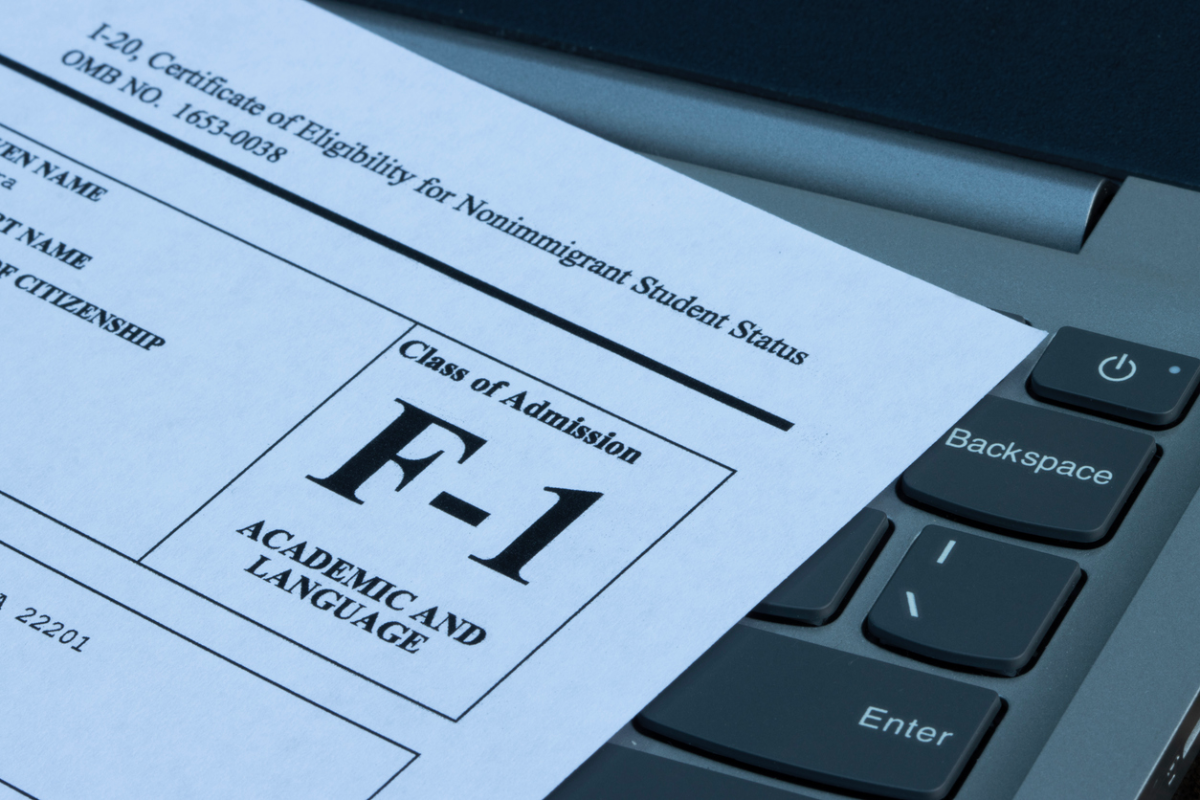

The Department of Homeland Security (DHS) has finalized a major change affecting F-1 students, J-1 exchange visitors, and certain other nonimmigrants. Beginning September 15, 2026, many individuals in these classifications will no longer be admitted under the longstanding “Duration of Status” (D/S) framework and instead will be issued a fixed period of authorized stay.
While much of the attention has focused on the impact for students and universities, employers that hire international talent should also be paying close attention. The new rule could increase compliance obligations, create additional immigration filing requirements, and require earlier workforce planning for employees in F-1 status.
What Is Duration of Status?
For decades, F-1 students have generally been admitted to the United States for “Duration of Status.” Rather than receiving a specific expiration date on their I-94 record, students could remain in the United States for as long as they maintained their F-1 status and complied with program requirements.
Under the new rule, that framework will largely be replaced by admissions granted for a fixed period of time. Individuals who need additional time beyond their authorized admission period may need to file an application with U.S. Citizenship and Immigration Services (USCIS) to extend their stay.
Why This Matters
Under the previous system, a student could often continue a program of study or otherwise maintain status without requiring a separate extension filing with USCIS. The new rule introduces additional government oversight and may require more interaction with USCIS throughout a student’s academic and professional journey.
For many foreign nationals, immigration compliance will become more deadline-driven than it has been under the D/S system.
Employer Considerations:
- Earlier Immigration Planning
Many employers recruit international students through internships, OPT, STEM OPT programs, and eventual H-1B sponsorship. The new rule may require employers and their employees to begin immigration planning much earlier.
A student who needs additional time in the United States may now face extension filing requirements that did not previously exist. Companies should ensure that immigration timelines are reviewed well in advance of critical deadlines.
- Increased Monitoring of Immigration Documents
Human resources teams have traditionally focused on Employment Authorization Documents (EADs) when managing F-1 employees. Going forward, employers may also need to pay closer attention to I-94 validity periods and other immigration documentation.
Although employers are not responsible for managing an employee’s personal immigration status, companies that rely on foreign national talent should be aware of upcoming expiration dates and encourage employees to seek legal guidance before problems arise.
- Additional Government Filings
The new framework is expected to result in an increase in immigration filings for many students and exchange visitors. Additional filings generally mean additional government fees, more administrative burdens, and the potential for processing delays.
Employers that routinely hire F-1 students should be prepared for a more complex immigration landscape than existed under the D/S system.
- Potential Impact on Recruitment and Retention
Foreign students often represent an important source of technical and professional talent, particularly in engineering, software development, data science, research, and other specialized fields.
Additional filing requirements and compliance obligations may create uncertainty for some students as they make career decisions. Employers may need to spend more time educating candidates about immigration timelines and planning future sponsorship strategies.
- H-1B Sponsorship Becomes Even More Important
For employers that regularly sponsor employees for H-1B status, proactive planning will be increasingly important. Companies should evaluate sponsorship timelines early and avoid waiting until an employee’s work authorization is nearing expiration.
A well-planned immigration strategy can help minimize disruptions and provide greater predictability for both employers and employees.
What Employers Should Do Now
Although the rule does not take effect until September 2026, employers should consider taking the following steps:
- Review current F-1 employee populations.
- Identify employees working pursuant to OPT or STEM OPT authorization.
- Track upcoming work authorization and immigration expiration dates.
- Educate HR and recruiting teams on the new requirements.
- Work with immigration counsel to evaluate potential impacts on hiring and retention strategies.
Looking Ahead
This rule represents one of the most significant changes to the F-1 student system in decades. While the full practical impact remains to be seen, employers should expect increased compliance obligations, additional immigration filings, and a greater need for advance planning when hiring international students.
Organizations that depend on foreign national talent should begin reviewing their immigration processes now to ensure they are prepared when the new rules take effect.